


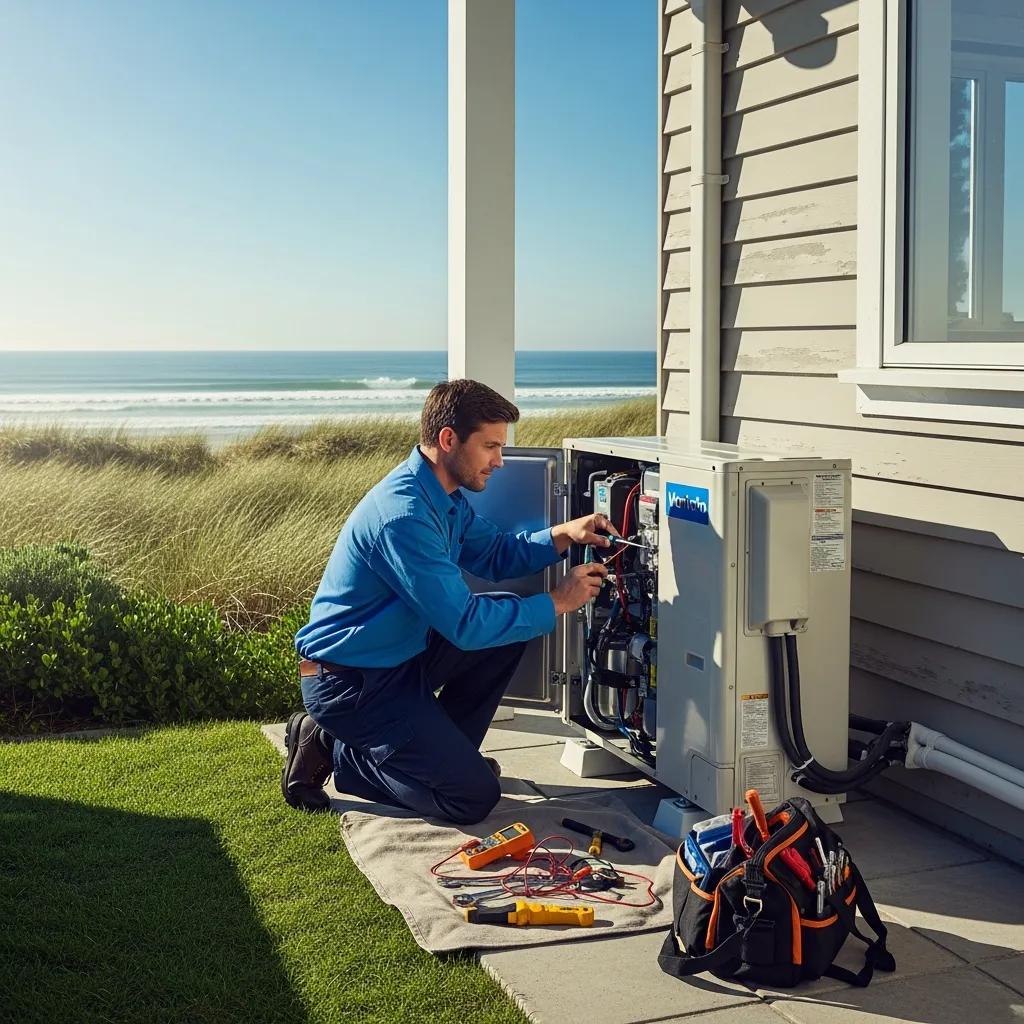
Keep Your Heat Pump Efficient: Practical Maintenance Tips and Local Service
Efficient heat-pump performance starts with timely maintenance: clear airflow, clean heat-exchange surfaces, and the right refrigerant charge. This guide shows how routine upkeep lowers energy use, cuts monthly bills, and keeps homes comfortable in coastal settings. You’ll get a simple annual checklist, clear guidance on what homeowners can safely do themselves, and a list of issues that need a licensed technician. We also explain service-plan options and financing approaches that make preventive care affordable, plus seasonal steps tailored to Port Aransas’s salty, humid climate. Throughout, find short problem → solution → action guidance and easy examples to help you prioritize next steps to protect equipment life and lower operating costs.
How Regular Heat Pump Maintenance Boosts Energy Efficiency
Routine maintenance keeps coils clean, airflow clear, and controls calibrated so the system moves heat with less wasted energy.
On the mechanical side, clean coils and the correct refrigerant let the unit transfer heat properly. On the electrical side, tightened connections and calibrated controls cut unnecessary runtime. The result is steadier indoor temperatures and lower energy use—savings that are especially noticeable when systems have been neglected. Energy experts highlight that basic maintenance often reduces runtime problems caused by restricted airflow and dirty coils.
A straightforward maintenance sequence is:
- Inspect and clean heat‑exchange surfaces to restore transfer efficiency.
- Check refrigerant charge and airflow to reduce compressor strain.
- Calibrate controls and test safety systems to ensure proper cycles.
These steps cut on/off losses and help the unit deliver efficient heating and cooling year‑round. If you prefer professional help, Comfort Design Air Conditioning & Heating offers tune‑ups that target these efficiency drivers and can schedule pre‑season checks with local Port Aransas expertise.
Key Benefits of a Professional Heat Pump Tune‑Up
A professional tune‑up includes diagnostic testing and repairs beyond DIY scope—refrigerant verification, electrical diagnostics, and performance calibration. Trained technicians spot early signs of trouble—sealed‑system leaks, failing fan motors, or reversing valve issues—before they lead to larger breakdowns. Early diagnosis keeps the system from running inefficiently for long stretches that drive up energy use. Technicians also check control logic and defrost behavior so the heat pump cycles correctly across changing conditions, which means steadier comfort and lower bills.
Good tune‑ups mix measurement and repair: airflow and temperature differentials are recorded, electrical loads are checked, and lubrication or part replacements are made as needed. That hands‑on work reduces emergency calls and helps keep operating costs predictable over the system’s life.
How Maintenance Extends Heat Pump Life and Lowers Costs
Regular maintenance reduces mechanical wear and delays costly component failures. Clean coils and correct airflow let the compressor run less often and with less stress, which cuts wear on critical parts like compressors and fan motors. Over time, that means fewer expensive replacements and a lower total cost of ownership: routine repairs are usually far less than major component replacements.
Small efficiency gains and fewer emergency repairs add up over the years. Preventive maintenance also helps preserve resale value and prevents gradual performance loss that impacts SEER and HSPF. Scheduling annual inspections and fixing issues early delivers steady ROI through energy savings and reduced repair costs.
Correct refrigerant charge is essential for peak heat pump performance and efficiency.
What to Include in a Heat Pump Annual Maintenance Checklist
An annual checklist separates homeowner‑safe tasks from professional‑only services so you can handle simple upkeep and leave complex work to certified techs. The checklist targets the parts that most affect heat transfer and airflow. Below is a homeowner‑friendly checklist and a compact table showing components, common tasks, and expected efficiency benefits.
Homeowner checklist — quick overview:
- Replace or clean filters regularly to keep airflow steady.
- Remove debris and vegetation around the outdoor unit to protect condenser airflow.
- Check thermostat settings and run a short system test to confirm basic operation.
These steps remove obvious airflow restrictions and give early warning of performance drops, leading naturally into the technical checks a professional will perform.
The maintenance table below pairs key components with routine tasks and why they matter.
| Component | Maintenance Task | Expected Benefit |
|---|---|---|
| Air filter | Replace or clean every 1–3 months | Restores airflow and improves efficiency |
| Evaporator coil | Visual clean; professional clean if dirty | Better heat transfer; shorter runtime |
| Condenser coil | Clear debris; wash coil when needed | Prevents high head pressure and wasted energy |
| Refrigerant lines | Professional leak check and correct charge | Ensures proper compressor load and efficiency |
| Electrical connections | Tighten and inspect wiring | Prevents faults and reduces energy loss |
Keeping these items current lowers strain on the compressor and fan motor and keeps controls accurate. If you spot problems, contact a licensed technician rather than attempting refrigerant or electrical repairs yourself.
Safe DIY Tasks That Improve Heat Pump Efficiency
Homeowners can do several safe tasks that make a real difference without special tools or certifications.
Change or clean filters every 1–3 months depending on household conditions to restore airflow and avoid overworking the system. Keep leaves, grass, and sand away from the outdoor unit; a clear five‑foot zone around the unit is good practice for coastal yards.
Other safe tasks: check thermostat operation and replace batteries when needed, inspect visible ductwork for large gaps, and make sure registers are not blocked. These actions reduce short cycling and improve comfort while signaling when professional service is needed. Never open electrical panels or handle refrigerant lines—those require certified technicians.
When to Call a Professional Heat Pump Technician
Call a professional when issues involve refrigerant, electrical systems, sealed components, or diagnostics beyond visual checks. Red flags include reduced heating/cooling output, coils that ice up frequently, strange compressor or fan noises, or sudden spikes in energy bills. These signs often point to pressure imbalances, motor problems, or failing parts that can worsen quickly.
Delaying service can lead to higher repair bills and faster equipment damage, so prompt diagnostics are wise. If you notice systemic problems, contact a licensed technician for a full assessment and corrective work; professional service restores efficiency and prevents cascading failures.
How Much Does Annual Heat Pump Maintenance Cost — and What Service Plans Are Available?
Costs depend on system type, size, accessibility, and any repairs found during inspection, so transparent pricing is tied to the inspection rather than flat numbers. Maintenance agreements and tiered service plans usually offer better long‑term value by bundling inspections, priority scheduling, and repair discounts. Financing and service agreements spread costs and reduce surprises while keeping maintenance on schedule.
Common plan features include priority dispatch during peak season, scheduled tune‑ups, and discounts on parts and labor. Below is a simple comparison of typical service‑plan options to clarify value.
| Service Plan | What’s Included | Value/Benefit |
|---|---|---|
| Basic Maintenance | Annual inspection, filter check, thermostat calibration | Entry‑level coverage to maintain efficiency |
| Preferred Plan | Biannual tune‑ups, priority service, small‑repairs discount | Better protection and lower emergency costs |
| Premium Agreement | All Preferred benefits plus seasonal checks and priority replacement options | Maximum uptime and best long‑term ROI |
In short: agreements reduce repair surprises and help keep efficiency high by enforcing a regular maintenance cadence. Many homeowners find modest annual fees pay for themselves through fewer emergencies and steadier energy use.
What Drives Heat Pump Maintenance Pricing?
Price depends on system age, type (air‑source, mini‑split, geothermal), unit accessibility, repairs found during inspection, and local labor rates. Larger systems or multi‑zone mini‑splits take more time and parts to service, which raises labor and diagnostic costs. Coastal corrosion or salt damage can increase necessary work and parts replacement.
Good providers explain these drivers up front so you can compare offers fairly. Ask for a line‑item estimate and a clear scope of work to avoid surprises and prioritize actions that improve efficiency and reliability.
How Financing and Maintenance Agreements Add Value
Financing and maintenance agreements make preventive care affordable while protecting equipment performance. Agreements typically include scheduled inspections, priority service, and repair discounts; financing spreads larger repair or replacement costs into manageable payments. Together, these options make ongoing efficiency work budget‑friendly.
If you want local support, Comfort Design Air Conditioning & Heating offers service‑plan options and financing paths designed for coastal homeowners, helping you prioritize annual tune‑ups and pre‑season checks to avoid peak‑season emergencies.
Seasonal Heat Pump Care for Port Aransas, TX
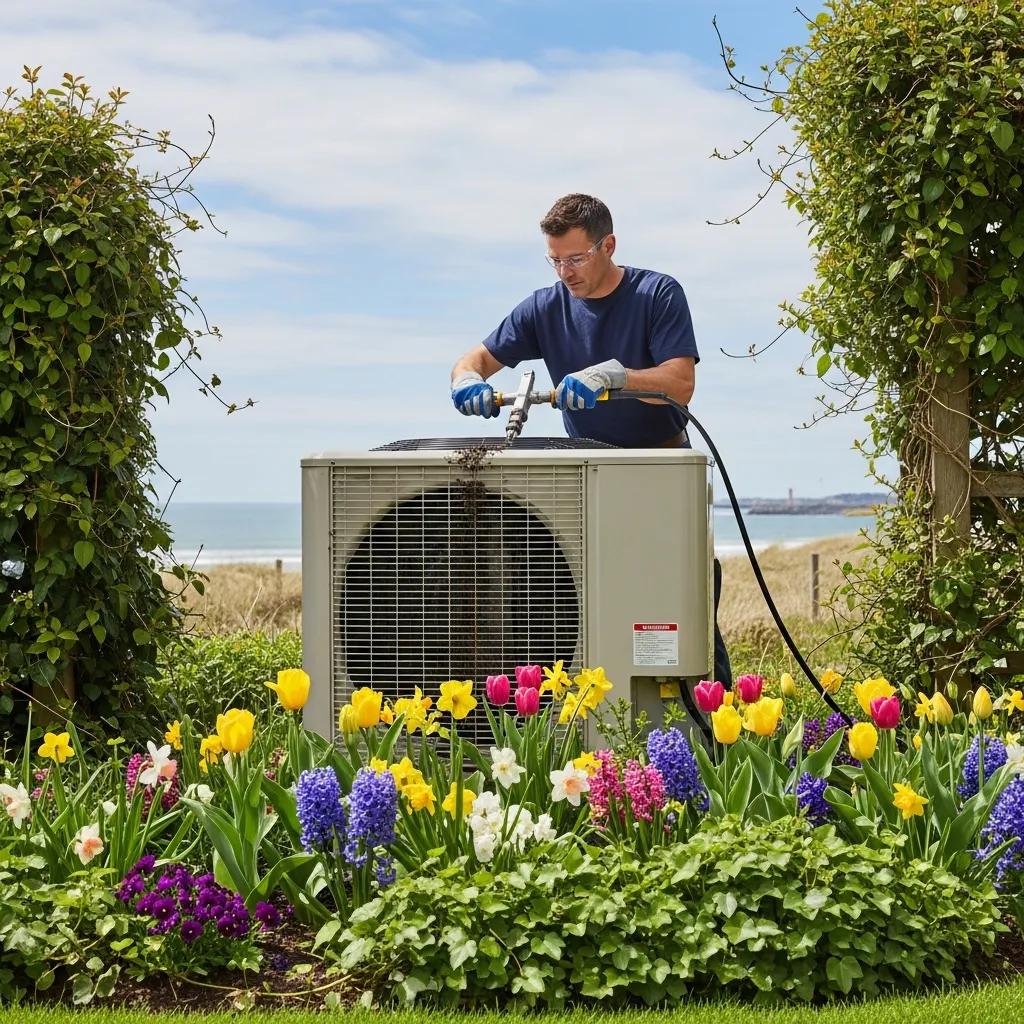
Seasonal care matches maintenance to local stressors—salt air, high humidity, and mild winters—so equipment stays reliable and efficient year‑round. Port Aransas’s conditions speed coil corrosion and clogging, so spring and pre‑summer checks focus on coil condition and airflow, while fall work emphasizes airflow and control calibration for cooler nights. Timing tasks to the season prevents common coastal problems and keeps performance steady.
Key seasonal recommendations:
- Spring: Inspect and clean condenser coils; check drainage and remove debris.
- Summer: Monitor airflow and refrigerant pressures during peak cooling.
- Fall/Winter: Check defrost cycle function and thermostat scheduling for variable evenings.
The seasonal table below links tasks to local climate reasons.
| Season | Recommended Tasks | Local Climate Rationale |
|---|---|---|
| Spring | Clean coils, check drainage, clear debris | Removes winter/spring debris and salt buildup before cooling season |
| Summer | Verify refrigerant, monitor airflow, check fan performance | High cooling demand exposes restricted‑airflow issues |
| Fall/Winter | Test defrost cycle, calibrate thermostat, inspect seals | Ensures correct heating cycles during mild but changing nights |
| Year-round | Check for corrosion; apply protective coatings as needed | Salt air speeds corrosion; proactive work extends component life |
Local tip: schedule pre‑season tune‑ups before peak months to reduce emergency repairs and keep systems running efficiently. Comfort Design Air Conditioning & Heating knows Port Aransas conditions and can help time seasonal tune‑ups to these needs.
Preparing Your Heat Pump for Summer and Winter
Before summer, clean or replace filters, clear debris around the outdoor unit, and run a quick system test to confirm cycling and refrigerant performance. These steps restore airflow and verify capacity before heavy cooling demand.
Timing matters: schedule professional pre‑season service about a month before peak cooling or heating to catch issues early. That reduces runtime inefficiency and helps avoid high energy bills during peak months.
Local Climate Challenges That Affect Heat Pump Performance
Port Aransas’s salt and humidity speed corrosion on coils, fasteners, and electrical contacts, and high humidity increases the system’s latent load. Salt corrosion reduces heat‑exchange efficiency and can cause premature failures; humidity can lead to coil icing or condensate problems when controls aren’t right. These local factors make corrosion‑resistant parts, regular coil washes, and thorough electrical inspections especially important.
Local experience makes maintenance more effective—technicians can recommend protective coatings or more frequent coil cleaning and schedule checks around local seasonal stressors. That local knowledge keeps systems efficient despite coastal exposure.
Seasonal Heat Pump Care for Port Aransas, TX
If you’re ready to cut energy use and protect comfort, schedule a seasonal tune‑up with Comfort Design Air Conditioning & Heating. Our local, family‑owned team focuses on coastal challenges and preventive plans that keep heat pumps reliable. A pre‑season inspection lines up refrigerant checks, coil cleaning, and electrical testing to restore peak performance and avoid emergency repairs. Book a tune‑up before summer or winter so your system meets demand with minimal waste. Take action now to protect comfort, lower operating costs, and extend equipment life—local expertise matters.
- Schedule preventive maintenance with a trusted local provider to avoid peak‑season failures.
- Follow the homeowner checklist monthly: filters and outdoor unit clearance.
- Use a maintenance agreement or financing to spread costs and secure priority service.
Comfort Design’s local experience and service‑plan options help homeowners turn these steps into a predictable maintenance routine that preserves efficiency and comfort.
Conclusion
Regular heat pump maintenance is one of the simplest ways to improve energy efficiency, lower operating costs, and extend equipment life. Follow a straightforward maintenance plan, tackle safe DIY tasks monthly, and call a licensed technician for anything involving refrigerant or electrical systems. Don’t wait for a breakdown—proactive care protects your investment and keeps your home comfortable. Schedule your seasonal tune‑up with Comfort Design Air Conditioning & Heating to see the difference local, experienced service makes.