


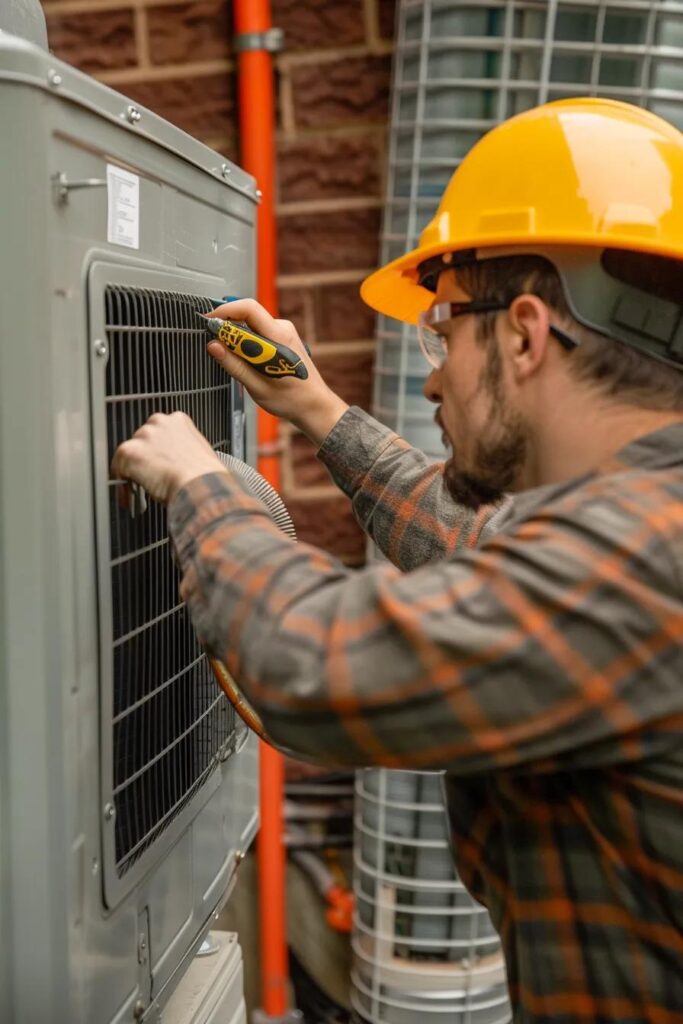
Heat Pump Refrigerant Level Check Services: How to Ensure Optimal Efficiency and Prevent Breakdowns
A properly charged heat pump is crucial for efficient heating and cooling. This guide explains the critical role of refrigerant, how a low charge impacts performance, and why accurate diagnostics are essential for managing energy bills and extending equipment life. Homeowners will learn to recognize low refrigerant symptoms, understand professional diagnostic steps—including subcooling and superheat checks—and know when recharging or leak repair is necessary. We also cover common refrigerant types, optimal check schedules, and how local, certified technicians fit into a proactive maintenance plan.
What Is Heat Pump Refrigerant and Why Is It Essential for Your System?
Heat pump refrigerant is the essential fluid that transfers heat through continuous phase changes. This allows the system to efficiently absorb and release thermal energy, ensuring effective climate control. Maintaining the correct refrigerant charge is paramount; it preserves system capacity, reduces compressor strain, and prevents high energy consumption, directly impacting your comfort and operating costs. Recent regulatory shifts towards lower-Global Warming Potential (GWP) refrigerants also make professional checks vital for proper handling and long-term system performance.
How Does Refrigerant Work in a Heat Pump?
Refrigerant circulates through a closed loop system with four main components: evaporator, compressor, condenser, and expansion device. Each manipulates the refrigerant’s pressure and temperature to move heat. In the evaporator, refrigerant absorbs heat and evaporates; the compressor then increases its pressure and temperature. The hot vapor moves to the condenser, releases heat, and condenses back to liquid. Finally, an expansion device reduces its pressure and temperature, preparing it to absorb heat again. Subcooling and superheat measurements are critical diagnostic indicators, providing technicians with data to confirm correct charge and ensure optimal operation. Understanding this helps homeowners recognize how undercharge reduces capacity and overcharge can damage the compressor.
Which Types of Refrigerants Are Used in Heat Pumps?
The refrigerant landscape is constantly evolving, with types varying in environmental impact, compatibility, and service implications. R22 has been phased out, while R410A was a standard for modern systems. Newer, lower-GWP alternatives like R454B and R32 are now emerging under regulations like the AIM Act. Technicians must match service methods to the specific refrigerant type due to differences in oil compatibility, pressure-temperature behavior, and recovery rules. Homeowners should identify their system’s refrigerant type for correct handling, regulatory compliance, and long-term viability. Professional verification is crucial before any recharge or repair to avoid compatibility issues and costly damage.
Different refrigerants vary by environmental and service characteristics:
| Refrigerant | Environmental/Regulatory Status | GWP (Approx.) | Service Implication |
|---|---|---|---|
| R22 | Phased out for new equipment since 2010; production banned in the U.S. | 1810 | Requires certified handling; retrofit may be costly; supply is dwindling. |
| R410A | Widely used in modern systems; subject to future phasedown. | 2088 | Requires POE oil compatibility; common for current tech; recovery is mandatory. |
| R454B | Lower GWP alternative in newer systems; becoming more common. | 466 | Different pressures and flammability rating (A2L); requires updated service practices and specialized tools. |
| R32 | Lower GWP alternative, gaining traction in mini-splits and some heat pumps. | 675 | Also A2L flammability; requires specific training and equipment for safe handling. |
These comparisons unequivocally underline why identifying the specific refrigerant in your heat pump services is the absolute first step before any recharge or repair is considered. Professional verification is crucial to avoid compatibility issues, ensure regulatory compliance, and prevent costly damage to your system.
What Are the Common Signs Your Heat Pump Is Low on Refrigerant?
Low refrigerant charge causes observable symptoms that reduce comfort and inflate energy costs. Early recognition helps prioritize inspection and repair. Common indicators include weak heating/cooling, ice or frost on coils, unusual hissing or bubbling sounds (often signaling leaks), and rising utility bills. Spotting these signs warrants immediate action: power down the unit and schedule a professional diagnostic. Operating with low refrigerant can worsen compressor wear, leading to premature failure and increased repair costs.
Common signs of low refrigerant include:
- Weak heating or cooling: The unit runs continuously or for extended periods but fails to reach or maintain the set temperature, indicating a significant reduction in its heat transfer capacity. You might notice lukewarm air from vents instead of truly hot or cold air.
- Ice or frost on coils: This is a classic symptom. The evaporator coil (either indoor or outdoor, depending on the mode) ices up because insufficient refrigerant flow causes the coil temperature to drop below freezing, leading to impaired heat absorption or release. This ice acts as an insulator, further reducing efficiency.
- Hissing or bubbling noises: These auditory cues are often indicative of an active leak in the refrigerant lines or components. A hissing sound typically suggests refrigerant escaping as a gas, while bubbling might indicate liquid refrigerant escaping or air entering the system.
- Rising energy bills: When a heat pump is undercharged, it struggles to meet the thermostat’s demands. This reduced efficiency forces the system to run longer and harder, consuming more electricity and leading to an unexplained increase in your utility consumption and costs.
How to Recognize Low Refrigerant Symptoms Like Ice Buildup and Hissing Sounds
Visual and auditory cues often signal a leaking or undercharged system, but safety is paramount. Ice or frost on coils (outdoor in heating, indoor in cooling) suggests low refrigerant. This ice restricts airflow and degrades performance. A distinct hissing sound near refrigerant lines or the outdoor unit indicates escaping refrigerant, requiring immediate system shutdown. Simple checks—like noting thermostat behavior, airflow strength, and visual ice inspection—help you describe conditions to a technician. This avoids operating a stressed system. Crucially, if you detect a burning wiring smell, oil residue, or loud pressurized hissing, stop the unit immediately and contact a certified technician to prevent hazards and severe equipment damage.
How Does Low Refrigerant Affect Heat Pump Performance and Energy Bills?
Low refrigerant directly compromises heat transfer, leading to longer run times and higher energy consumption as the compressor struggles to meet thermostat settings. This results in inconsistent indoor temperatures and places immense strain on components, accelerating wear and tear. Severe cases can cause compressor motor overheating and premature failure—a costly repair. Even a modest undercharge (10-15%) can reduce efficiency by 5-10% or more, raising utility costs. Proactive diagnostics are a sound financial decision, saving money by restoring optimal performance, mitigating expensive component replacements, and ensuring efficient operation.
| Symptom | Likely Cause | Recommended Action |
|---|---|---|
| Ice on coils (indoor or outdoor) | Low refrigerant charge, restricted airflow, or dirty filter. | Power down unit immediately; allow ice to melt; schedule professional leak inspection and airflow check. |
| Hissing or bubbling noises | Active refrigerant leak in lines, coils, or fittings. | Stop system operation; call a certified technician for urgent leak detection and repair. |
| Weak airflow/inconsistent temperatures | Undercharge, compressor issues, or ductwork problems. | Have a technician measure system pressures, superheat, and subcooling to diagnose. |
| Higher energy bills | Reduced efficiency from low charge, dirty coils, or aging components. | Schedule a comprehensive diagnostic check and corrective service to restore efficiency. |
| Unit runs constantly | Struggling to meet thermostat setting due to low charge or undersized system. | Professional evaluation of refrigerant levels and system capacity is needed. |
This symptom-to-action mapping helps homeowners prioritize urgency and understand the likely next steps a qualified technician will take during diagnostics, ensuring a more informed approach to heat pump maintenance.
How Is a Professional Heat Pump Refrigerant Level Check Performed?
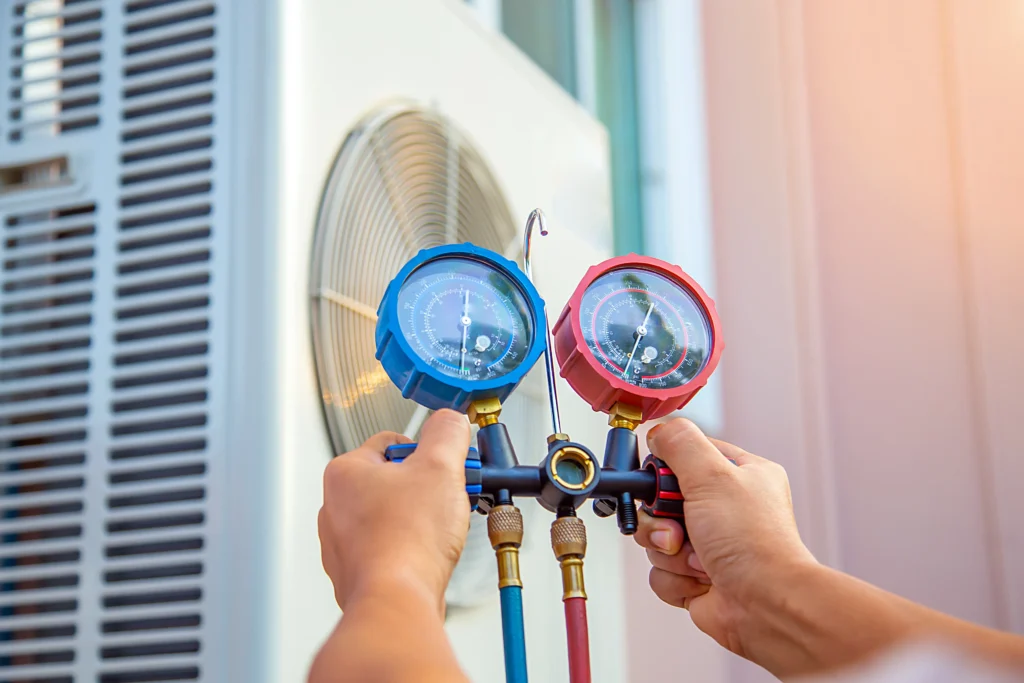
A professional refrigerant check methodically assesses your heat pump’s charge and health. It starts with a visual inspection and service history review. The core diagnostic involves measured pressure and temperature checks at various points, used to calculate critical parameters like subcooling and superheat against manufacturer specifications. Technicians document all conditions to determine if the charge is correct, undercharged, or overcharged. If readings indicate a leak, targeted detection methods like electronic sniffers, UV dye, or nitrogen pressure testing are used to pinpoint the leak. The process concludes with documented findings and a clear repair plan for informed decisions.
- Pre-check and documentation: The technician begins by inspecting the overall condition of the equipment, checking air filters, verifying proper airflow, and ensuring electrical connections are secure. They record the system model, serial number, and current operating conditions (e.g., ambient temperature, indoor temperature, humidity) to establish a baseline.
- Measure pressures/temps: Specialized manifold gauges are attached to the high and low-pressure service ports of the system. The technician reads the suction (low-side) and discharge (high-side) pressures. Simultaneously, precise temperature probes are used to measure the liquid line temperature (for subcooling) and suction line temperature (for superheat).
- Calculate superheat and subcooling: Using the measured pressures and temperatures, along with a pressure-temperature chart specific to the refrigerant type, the technician calculates the superheat (for the evaporator) and subcooling (for the condenser). These values are compared to the manufacturer’s target ranges to determine if the refrigerant charge is correct.
- Leak detection: If the superheat or subcooling calculations indicate an undercharge, the technician proceeds with systematic leak detection. This may involve electronic sniffers, UV dye, or nitrogen pressure testing to pinpoint the exact location of any refrigerant leaks.
- Report and recommend: A detailed diagnostic report is provided, outlining the findings, the identified problem (e.g., low charge, leak location), and a clear set of options. These options typically include repairing the leak and recharging the system, or, in cases of severe damage or multiple leaks, recommending component replacement or even system replacement.
This stepwise approach ensures that diagnostics are repeatable, thorough, and compliant with all safety and environmental standards, which naturally leads to discussions of the specialized hvac maintenance plan and detection methods used in the field.
When and How Often Should You Schedule Heat Pump Refrigerant Checks?
Annual refrigerant checks are recommended for most heat pumps to verify charge, detect leaks, and ensure safe, efficient operation. Ideally, schedule these before peak heating or cooling seasons (spring for summer, fall for winter) to prepare your system for its heaviest workload. Systems with high run hours, older equipment, or visible symptoms may need more frequent inspections. Seasonal pre-checks help avoid emergency repairs and allow year-over-year comparison of diagnostic readings to catch developing issues early. For residents, planning checks before each season ensures reliable comfort and optimized efficiency.
Why annual checks matter:
- Preserve efficiency: Catching small, slow leaks early prevents significant energy losses, reduces strain on components, and keeps your energy bills in check. Even a minor undercharge can lead to disproportionately higher energy consumption.
- Extend equipment life: Proactive identification and repair of issues, including correct refrigerant levels, significantly reduce stress on the compressor and other critical components, thereby extending the overall lifespan of your expensive heat pump system.
- Regulatory compliance: Certified technicians ensure that all refrigerant recovery, handling, and disposal procedures comply with federal and local environmental regulations, protecting both the environment and you from potential liabilities.
- Maintain warranty validity: Many manufacturers require documented annual professional maintenance to keep your system’s warranty valid. Skipping these checks could void your coverage, leaving you responsible for costly repairs.
Scheduling checks before seasonal peaks minimizes downtime and allows homeowners to budget for routine maintenance rather than facing unexpected, expensive emergency replacements, which is the logical next consideration when leaks are found.
Why Annual Refrigerant Checks Are Crucial for System Longevity and Efficiency
Annual refrigerant checks are a critical investment in your heat pump’s long-term health and efficiency. They detect slow-developing issues like minuscule leaks or performance drift that can lead to major failures. Early identification and rectification restore optimal operating conditions, limiting stress on the compressor—a common cause of premature failure. Consistent trend data from yearly visits also aids future retrofit or upgrade decisions. Regular maintenance is a shrewd financial decision, helping homeowners avoid unexpected, costly repairs and ensuring peak efficiency for years.
How Seasonal Changes Affect Refrigerant Levels and Heat Pump Performance
Ambient temperature and duty cycle variations significantly influence heat pump pressure-temperature readings. Technicians must interpret measurements relative to current operating conditions and seasonal baselines. For example, cold outdoor temperatures in heating mode yield different pressures than mild conditions, and high summer loads shift condensing pressures. Testing the system under typical seasonal use provides the most accurate diagnostic data. This explains why pre-season checks are preferred, offering a true performance snapshot. Understanding seasonal variance helps homeowners schedule informative diagnostic windows and prevents misinterpreting normal pressure swings, ensuring accurate assessments.
What Does Heat Pump Refrigerant Recharge and Leak Repair Involve?
Simply recharging refrigerant without repairing leaks is temporary, ineffective, and environmentally harmful. Proper service involves a meticulous multi-step process: first, precisely locating and repairing all leaks; second, recovering existing refrigerant per EPA procedures; third, thoroughly evacuating and vacuum-testing the system to remove moisture and non-condensable gases; and finally, accurately charging to manufacturer specifications. Leak repair can be complex, from tightening fittings to replacing coils, with cost varying by accessibility. Our technicians use specialized equipment to recover refrigerant, ensuring it’s not released. The system is then vacuumed to eliminate contaminants before new refrigerant is added using measured quantities to achieve correct subcooling or superheat values. Clear documentation and a verified, leak-free system are essential before returning to service. We offer comprehensive maintenance plans that bundle diagnostic checks, leak detection, and inspections. These plans provide predictable budgeting and priority scheduling, simplifying long-term HVAC care. Comfort Design Air Conditioning & Heating provides a range of maintenance plans and scheduled checks, delivered by certified technicians. Our plans simplify routine service and ensure strict compliance with refrigerant handling best practices. We encourage homeowners to inquire about plan inclusions and compare them to pay-per-visit alternatives.
| Service Factor | What It Affects | Typical Impact/Range |
|---|---|---|
| Refrigerant type | Material cost and specific service method requirements. | Varies significantly by chemistry, market availability, and GWP (e.g., R22 is expensive, newer A2L refrigerants require specialized tools). |
| Leak complexity | Labor hours required for detection and repair, specialized tools. | Minor fitting tightening (quick) to hard-to-access brazing on coils (time-consuming) or component replacement. |
| System access | Time required to locate and repair leaks, potential for additional work. | Easy outdoor unit access vs. leaks in buried lines, attic air handlers, or behind walls significantly increases cost and time. |
| Recovery/disposal | Regulatory compliance, specialized equipment, and environmental fees. | Adds time and equipment requirements for safe, legal handling of refrigerants. |
| Amount of refrigerant needed | Direct material cost. | A small top-off vs. a full system recharge after a major leak. |
Understanding these cost drivers helps homeowners evaluate estimates more effectively and ask targeted questions about quoted work before authorizing repairs, ensuring transparency and value.
How Is Refrigerant Recharged and Why Is Leak Repair Important Before Recharging?
A compliant refrigerant recharge is a multi-stage process strictly following leak repair. It begins with recovering any remaining refrigerant using specialized equipment to prevent atmospheric release. The system is then thoroughly evacuated with a vacuum pump to remove air, moisture, and non-condensable gases, which are critical to prevent corrosive acids and reduced efficiency. Only after a deep vacuum is new refrigerant introduced as a precisely measured refill, fine-tuned with subcooling or superheat measurements to meet manufacturer specifications. Recharging before repairing leaks is wasteful, environmentally irresponsible, and often illegal, risking repeated loss, contamination, and illegal venting. Proper recharge, verified by calibrated gauges, protects your equipment, safeguards the environment, and ensures predictable comfort and efficiency.
Why Choose Comfort Design Air Conditioning & Heating for Your Heat Pump Refrigerant Level Check Services?
Comfort Design Air Conditioning & Heating is your trusted local provider of comprehensive HVAC service, offering unparalleled expertise and customer-focused solutions. Our team of highly skilled NATE-certified technicians ensures every refrigerant check and system service meets the highest industry standards. We provide flexible maintenance plan options tailored to proactive refrigerant checks and holistic system care, giving you peace of mind. Choosing us offers distinct advantages, including faster response times and technicians with intimate knowledge. We emphasize documented diagnostics, professional leak detection, and strict adherence to refrigerant handling requirements to protect your equipment and the environment. To schedule a diagnostic service, learn more about our comprehensive maintenance plans, or discuss your HVAC needs, contact Comfort Design Air Conditioning & Heating by phone. Our friendly team is ready to discuss tailored service options and arrange priority scheduling to ensure your comfort and system efficiency.